The Pros and Cons of Search Conquesting for Car Dealerships

The Pros and Cons of Search Conquesting for Car Dealerships

Marketing online is absolutely essential for car dealerships of all types, sizes, and locations. The majority of car buyers start their buying experience online, and you want yours to be the website they find when they begin that search.

Nancy Rothman
06.25.20


So how do you ensure that your dealership or company shows up in the search results of customers who actually have value to your business? One of the ways is through search conquesting, a potentially powerful yet controversial strategy for search engine marketing.


What is Search Conquesting?

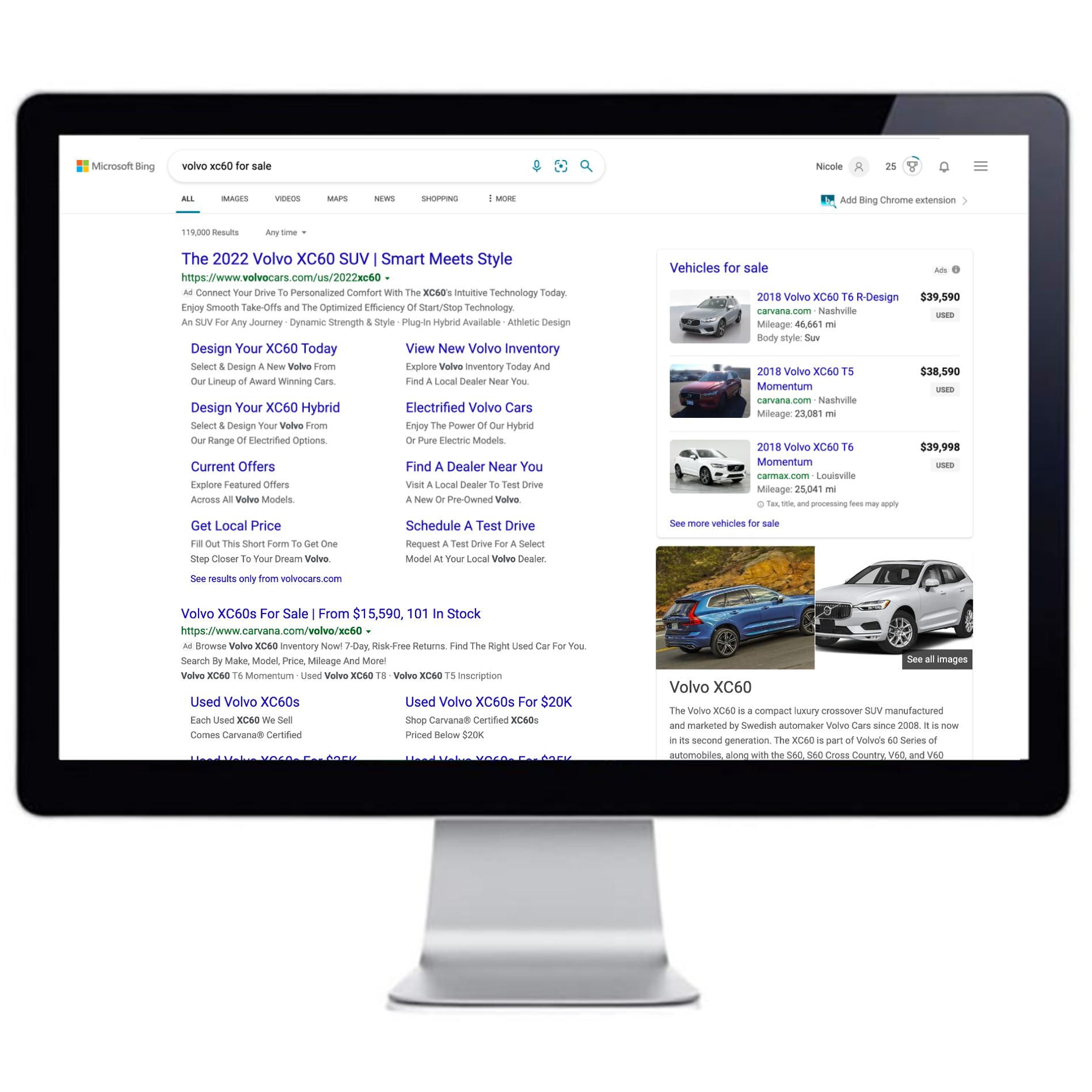
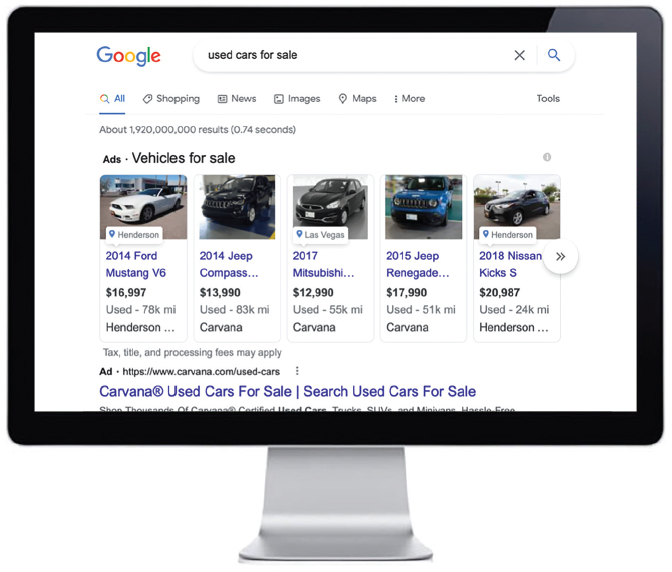
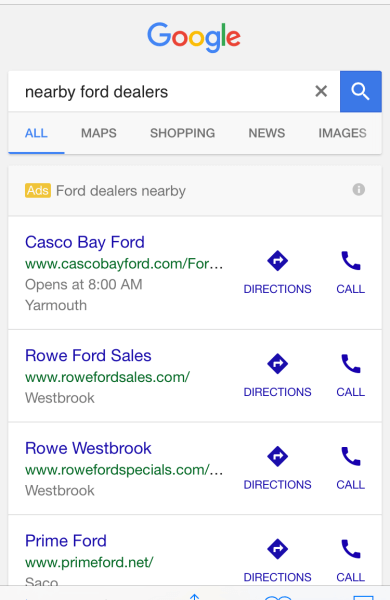
To understand what search conquesting is and how it works, you first have to understand how search engine marketing works in general. When you enter a search query into Google, a list of results appears based on that search. Often, the top few results are paid ads— companies have paid Google to appear in search results when users entered specific keywords or phrases. For car dealerships, this phrase might be ‘car dealerships near me’ or ‘Nissan dealerships in Denver.’

So, what is search conquesting? Instead of choosing a general keyword to target with your ad, search conquesting involves you targeting the name of one of your competitors.

For example, let’s say that your primary competitor is Dave’s Car Dealership across town. With search conquesting, you would create an ad for your business that would appear when people searched for your competitor’s name. A car buyer enters ‘Dave’s car dealership’ into their search engine, and your dealership appears as one of the paid results.

How Search Conquesting Works

Search conquesting is used as a targeted way to reach qualified leads before they can be landed by your competitors. Because competing dealerships are often very similar, you can generally bet that if someone is searching for your competitor, they would likely make a great customer for you.

Conquesting has other benefits as well, but it can also have some significant downsides if handled incorrectly.


Pros of Search Conquesting

Here are some of the reasons why many car dealerships and other companies use search conquesting as part of their search engine marketing plan.

Increase Your Brand Awareness

When executed effectively, conquesting can have the power to increase the visibility of your dealership— particularly when it comes to customers who haven’t made a decision about where to buy and might be ‘on the fence’ about their decisions.

Even if a user ultimately clicks off of your website, you’ve grown your remarketing list through website cookies and can target those customers for remarketing later.

Know Exactly What You Have to Beat

When you build your search engine advertisements around generalized keywords like ‘car dealership in [CITY], your message has to compete with all of the messages of all the other dealerships that will show up in search results for that query.

With search conquesting, there’s just one message you have to beat— whichever one your competitor displays when their name is put into a search engine. This can help narrow your focus and create a strong, bold, and specific message to make a stronger impression than your competitor’s message.

Less Keyword Competition

Let’s say you’re a car dealership in Illinois. You might want to target your ads to keywords like ‘car dealerships in Illinois.’ But that keyword will have a lot of competition from hundreds of dealers all over the state.

By targeting a specific, direct competitor with your keywords, you’re not only narrowing your audience to very qualified leads (most people search for a specific car dealership only when they’re serious about buying), but you’re also targeting the most valuable customers— those that you may be able to steal away from your competitor.


Cons of Search Conquesting

Search conquesting can be effective, but it does have its potential downsides— and they can be significant. Here are a few of the cons of search conquesting for car dealerships.

Potential Competitor Response

One challenge that you may come across when you start search conquesting is that your competitors will take notice. They may respond by creating an equal and opposite response. If they’re a larger dealership or company, they may have the resources to launch an even more aggressive and widespread conquesting campaign.

Meanwhile, if your competitor is already bidding on their own branded terms, you’ll almost always show up in a lower position in search rankings.

Can Be Costly

Google and other search engines rank the ‘quality’ of your search ad based on a range of factors. One of the biggest factors is how often the search term appears on your website. Obviously, your competitor’s brand name is unlikely to appear on your website much, if at all.

As a result, you’ll likely have to pay more for each ad or click through to your site. This is how Google manages pricing for search engine advertising— the ‘higher quality’ they determine your ad to be (meaning, the more likely it is to be what a user is looking for in their search), the less you have to pay for each ad.

In some cases, your ad spent might have been better placed in other locations, like Facebook or YouTube, resulting in less waste.

Difficulty Following Google Ad Policies

Remember— Google and other search engines have strict rules about the management of trademarks. If your competitor’s name is trademarked, you can’t even mention their name in your ad text or display URL. That means you can’t bid on a competitor’s name, then run an ad that says ‘Why our brand is better than ‘Brand X.’”

If you do, you could be penalized or even face legal action. Understanding the rules of search engine marketing is essential.

(There are some exceptions— for example, if you’re an authorized reseller, informational website centered around a brand, or an authorized advertiser).

For an audit on your dealership and how conquesting could work for you, contact us today.


Want to connect about your Digital Strategy?

Fill out the form below and someone from our team will reach out to you to set up a time to connect.

Fields marked with * are required

    Google vs. Facebook Advertising | What’s the Difference?

    Google vs. Facebook Advertising. What’s the Difference?

    For years, industry publications, bloggers, and the media have pitted Google and Facebook against each other in a narrative of epic struggle for dominance. As a result, many brands and first-time advertisers feel that the path to advertising and marketing success can only come if they choose the right one. This is especially true for car dealerships and the auto industry, where reaching online leads has become absolutely essential to survival and success.

    By Nancy Rothman


    For years, industry publications, bloggers, and the media have pitted Google and Facebook against each other in a narrative of epic struggle for dominance. As a result, many brands and first-time advertisers feel that the path to advertising and marketing success can only come if they choose the right one. This is especially true for car dealerships and the auto industry, where reaching online leads has become absolutely essential to survival and success.

    But the truth is that Google and Facebook aren’t so much offering competing versions of the same thing as they are offering unique, complementary products. When used correctly, both Google and Facebook have something to offer your marketing and advertising strategy— and each one can feed the other with powerful effects.

    With that in mind, we wanted to create this quick guide to understanding exactly how Google and Facebook advertising differ— and what it means for your dealership or family of dealerships.

    In basic terms, Facebook is a discovery engine that helps you fill-up the top of your marketing funnel, increasing awareness for prospective customers. Meanwhile, Google is an intent-driven search engine built for capturing interest and directing it to your brand.

    To put it even more simply, Google helps your business find potential customers. Facebook helps potential customers discover your business.

    That said, the differences can seem a bit more subtle than that. That’s why we created this article to help you parse the strengths of each platform. Let’s start with Google.

    Understanding Google Ads

    One of the reasons comparing Google and Facebook as competitors in online advertising is a false narrative is that it’s really not a competition at all. While Facebook has an impressive 1.5 billion active users, Google receives 3.5 billion searches every day.

    As a result, advertising on Google gives you access to the largest collection of potential customers of any source in the world.

    The most basic form of Google Advertising is to create a text ad that appears in relevant search results. For example, you might design an ad that appears when users search “car dealerships in Salt Lake City.’ Then, based on your budget and whether Google algorithms think your ad is relevant, it will appear on those searches.

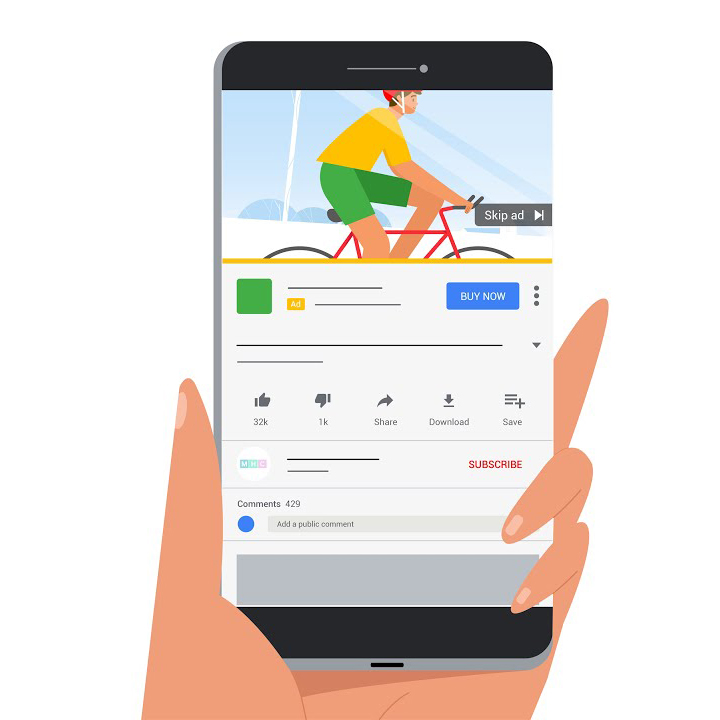
    There are also other forms of Google ads, including banner ads on websites, video ads that appear before YouTube videos and other platforms, and more.

    Here are some of the main advantages of Google advertising.

    Massive Reach

    As we mentioned above, if potential customers for your business are out there, you can find them on Google. Best of all, you can reach those customers at a time when they’re actively searching for what you have to offer. When the search query terms for your ad are selected carefully and strategically, your ad spend will only go towards reaching people who are already primed to become customers. That doesn’t guarantee they’ll click on your ad and reach your site, but it does mean that they’re the most likely people to do so.

    Quality-Based Algorithms

    In many instances, marketing and advertising are seen as a numbers game. Whoever has the most money gets to reach the biggest audience.

    But when it comes to Google Ads, algorithms determine whether to show an ad not just based on budget, but on the quality and relevance of the ad. That means that Google is more likely to display an ad if they think it’s genuinely what a person is looking for. That helps level the playing field when it comes to dealerships with massive ad budgets— if your dealership is closer to what a search query is looking for, you’ll still land the impression.

    Flexible Format

    Normal, text-based search results aren’t the only format available to you on Google. Your ad can also show up in Google Maps results, reviews, Shopping page ads, and a whole lot more. By taking advantage of multiple formats, you can cast a wider net and increase your chances of reaching car buyers where they are.

    Understanding Facebook Ads

    Facebook ads reach users in a very different place than Google users. Facebook is a social network, which is why advertising on the platform is often known as ‘paid social’ or ‘social advertising.

    This gives you and your dealership a unique opportunity for users to discover your dealership.

    Unmatched Targeting Power

    Facebook’s audience is truly huge— roughly ⅕ of everyone on earth regularly uses the platform— but you don’t need to reach 1.5 billion people. You need to reach the ones who are most likely to become your customers.

    That’s what makes Facebook advertising truly special. When you create an ad, Facebook allows a stunning level of detail when it comes to determining who you would like to see your ad. For example, an advertiser might choose to target only females aged 25-45, who live in Dallas, are interested in pickup trucks, and ‘like’ Ford trucks.

    Budget-Friendly Success

    That level of granularity we mentioned above helps you avoid wasted ad spend and only reach those who are primed to become customers. You can set your max daily budget, and set your parameters to ensure that none of it is spent where it’s not needed. That helps make Facebook one of the most cost-effective ways to reach your audience effectively.

    Google Advertising vs. Facebook Advertising: The Truth

    In the end, the most successful dealerships when it comes to online advertising are those that leverage the power of both Google and Facebook. To do that effectively, you need to have the expertise to manage your budget effectively, target the right leads, and track the analytics of your campaign to update and improve it as needed.


    Want to connect about your Digital Strategy?

    Fill out the form below and someone from our team will reach out to you to set up a time to connect.

    Fields marked with * are required

      Posts navigation

      1 2 3 5 6 7 8
      Skip to content